
Project Aalingana defines the Tata Group's overarching environmental commitments, encompassing decarbonisation, circularity, and ecosystem resilience across all group companies. Aligned with this vision, UMPESL is well positioned to translate these sustainability ambitions into tangible, on-ground outcomes through responsible and future-ready project execution. For UMPESL as a business, Project Aalingana provides a relevant framework that includes achieving Net Zero by 2045, implementing waste management practices that eliminate waste to landfill, replenishing freshwater resources by 2030, and undertaking biodiversity initiatives anchored in nature-based solutions.
Each of UMPESL's business verticals contributes uniquely to the sustainability agenda through domain-specific capabilities and responsible practices.
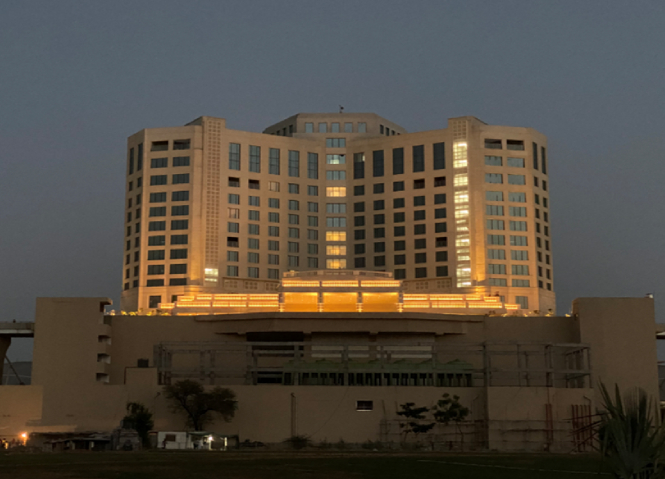
The MEP business focuses on optimizing resource efficiency through integrated project management, advanced engineering, and design excellence. By enabling modular construction, driving continuous design improvements, and ensuring seamless coordination with stakeholders, the business minimizes material wastage, shortens project timelines, and enhances overall operational efficiency.
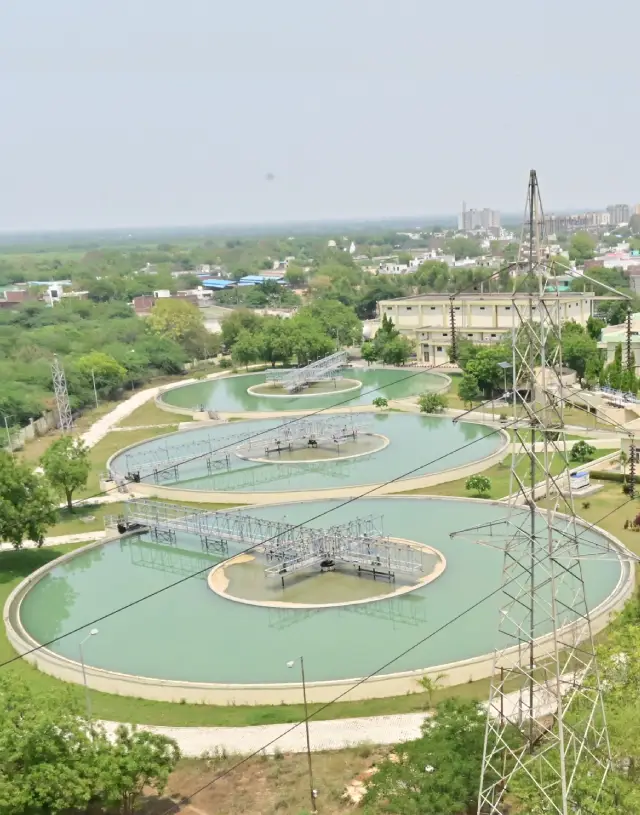
The Water business advances water stewardship by deploying advanced treatment technologies, wastewater recycling and reuse systems, and optimized distribution networks. These capabilities reduce water losses, enhance water availability, and support sustainable water resource management across projects and communities.
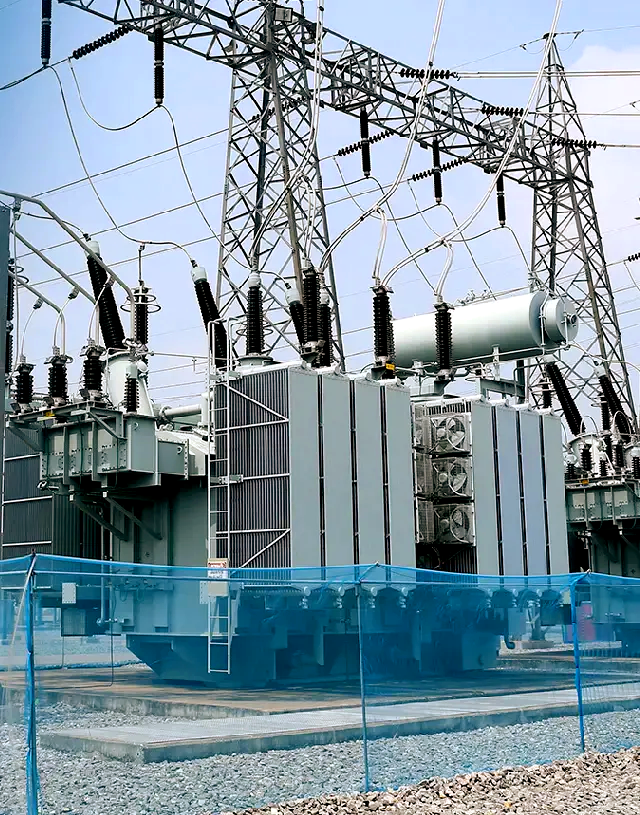
The Electrical & Solar business plays a critical role in expanding reliable electricity access to remote and underserved regions. Through the development of efficient power transmission and distribution networks, the business helps reduce technical losses and indirectly lowers emissions, contributing to a more resilient and low-carbon energy ecosystem.
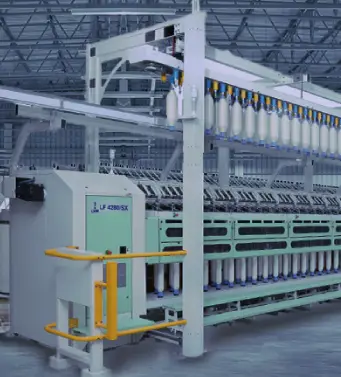
The Textile business enables clients to improve energy efficiency, reduce material waste, and optimize resource consumption across textile operations. Through end-to-end solutions encompassing design, installation, servicing, and operational support, the business drives sustainable performance throughout the textile value chain.
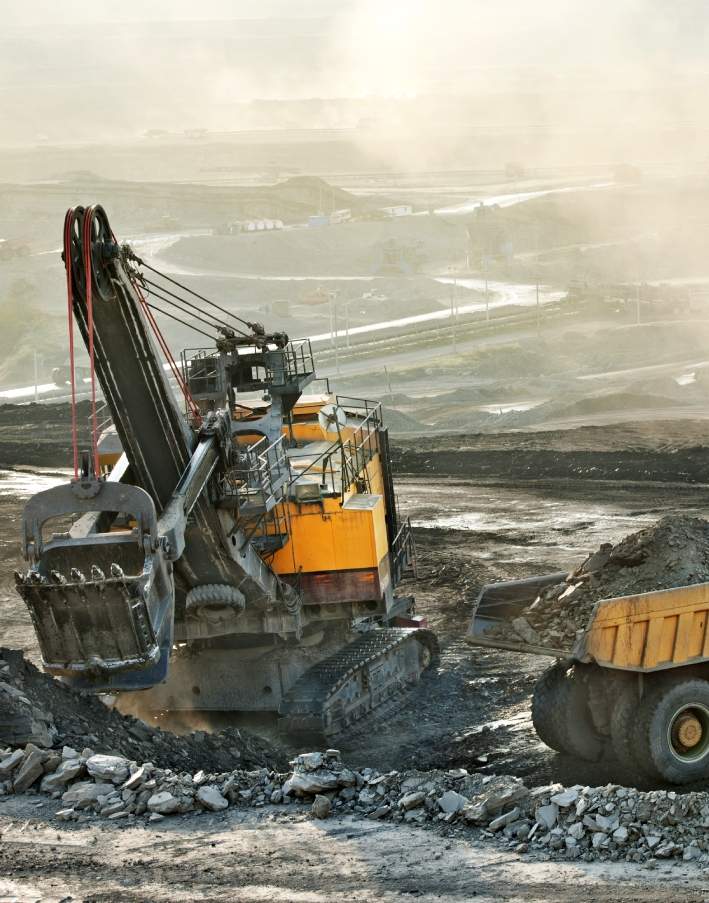
The Mining & Construction Equipment Division strengthens circularity by extending asset life through proactive maintenance, refurbishment, and reuse of components. These practices reduce waste generation, lower replacement costs, improve equipment availability, and support sustainable lifecycle management.
Together, these business-specific practices reflect UMPESL's commitment to integrating sustainability into core operations, helping clients achieve higher efficiency, cost optimization, and long-term environmental performance.
By integrating advanced engineering services, efficiency-driven solutions, and environmentally conscious practices, UMPESL is equipped to deliver projects that reflect strong ESG responsibility while meeting evolving industry expectations for sustainable development. At the same time, UMPESL emphasizes workforce well-being, regulatory compliance, and operational integrity, ensuring that every project is executed safely, ethically, and with long-term environmental and social value in mind.
UMPESL integrates sustainability into its business operations through design innovation, technology adoption, and efficient resource management across business verticals.
Through its TMD business units, UMPESL enables modular design and construction solutions that optimize equipment performance and maximize reutilization. The TMD division supports clients through integrated product and service offerings that enhance machine efficiency, extend asset life, and reduce material wastage.
UMPESL leverages advanced technologies across businesses to improve environmental outcomes:
The Water Business deploys customized technological solutions that reduce dependence on chemicals in water treatment, including alternative methods such as silver ionization, aligned with client requirements.
The MEP Business delivers client projects using advanced engineering and design software, supported by digital project monitoring tools that improve precision, reduce rework, and minimize material and energy wastage.
The Textile Business Unit offers state-of-the-art technology solutions that enable higher production efficiency, reduced material waste, improved energy performance, and lower manpower requirements through automation. In addition, TMD conducts energy, process, and waste audits to help clients reduce energy consumption, streamline operations, and achieve direct cost savings at the process level.
The Electrical Business supports upgrades of power distribution infrastructure, including reconductoring and strengthening of 33 kV / 11 kV substations, contributing to the reduction of Aggregate Technical & Commercial (AT&C) losses across the country.
The Solar Business delivers optimized system designs using advanced technologies such as robotic cleaning of solar modules to prevent dust accumulation and tracker systems to enhance energy generation efficiency.
Together, these interventions help clients reduce resource consumption, lower emissions, and improve operational efficiency.
UMPESL is committed to providing a safe and healthy working environment across all project sites. Robust safety management systems, regular skill enhancement programs, and behavioral safety training form an integral part of daily operations.
In alignment with client requirements and Tata Group Safety Standards, the organization ensures the safety of all deployed resources. Leadership and management teams actively foster a strong safety culture, reinforced by strict adherence to the Authority to Stop (ATS) policy, empowering employees to halt work whenever unsafe conditions are identified.
A snapshot of our capabilities that help clients build smarter, cleaner, and more resilient & sustainable operations
| Sr. No. | UMPESL BU | Capabilities | Impacts | Impact Area | Sustainability Enablers |
|---|---|---|---|---|---|
| 1 | Mining Division | Proactive equipment maintenance | 1. Oil Hose maintenance & replacement to avoid oil leakage and its wastages 2. Strict measures of maintenance of equipment's as per defined schedule to avoid failure of body parts | 1. Utilization of equipment in maximum efficiency - increase in life of equipment's 2. Circular practice - penalty avoidance - revenue growth | Circularity |
| 2 | Textile Division | Suggestion / Advise to partner OEM for Modular design - conversion kit | Reutilization of original structure of machine using minimal change with the help of conversion kit than replacing with new one | Efficient (circular) design | Circularity |
| 3 | Textile Division | Power efficiency management service | Energy audit in operations to reduce energy wastage in operations to minimal | Energy saving | Decarbonization |
| 4 | Textile Division | Production efficiency management service | Production enhancement by process audit of operations to enhance operational efficiency of machines | Material utilization, Revenue growth | Circularity |
| 5 | Textile Division | Waste (reduction) management services | Process enhancement of the machines with minimal changes to reduce material waste reduction in operations | Efficient (circular) design | Circularity |
| 6 | Textile Division | Human Productivity Improvement (hPI) | Process enhancement resulting in optimal usage of human resources and cost reduction | Human Productivity | Sustainable operations |
| 7 | Solar Division | Solar panel installation | RE generation | Clean energy | Decarbonization |
| 8 | MEP Division | Critical & complex project execution | Optimal resource utilization & avoidance of wastages | Operational efficiency & circularity | Circularity |
| 9 | Electrical Division | Electricity loss reduction through modernization of existing infrastructure | Reduction in electricity loss - increase in High voltage transmission (HTL) line up to transformers and from transformers to retailers by Low voltage transmission line (LTL) | 1. Reduction in electricity through transmission 2. Increase in monitoring of electricity utilization at end user level | Energy saving |
| 10 | Water Division | Water treatment using silver ionization | Decrease in use of chemicals on water treatment | Decrease in chemical utilization | Decarbonization |
| 11 | Water Division | Wastewater treatment | Decrease in direct discharge of wastewater in streams / open location / etc. | Decrease in water pollution; Increase in reuse of water | Decarbonization |
| 12 | Water Division | Non-revenue water distribution | Decrease in leakage of water from storages / tank to distribution network to end user | Water saving | Water conservation |
Let's explore possibilities and collaborate on your dream projects. We are excited to discuss and contribute to your vision.